News, News and More Bad Preservation News

42 Main Street

Sometimes it’s hard to know where to begin.

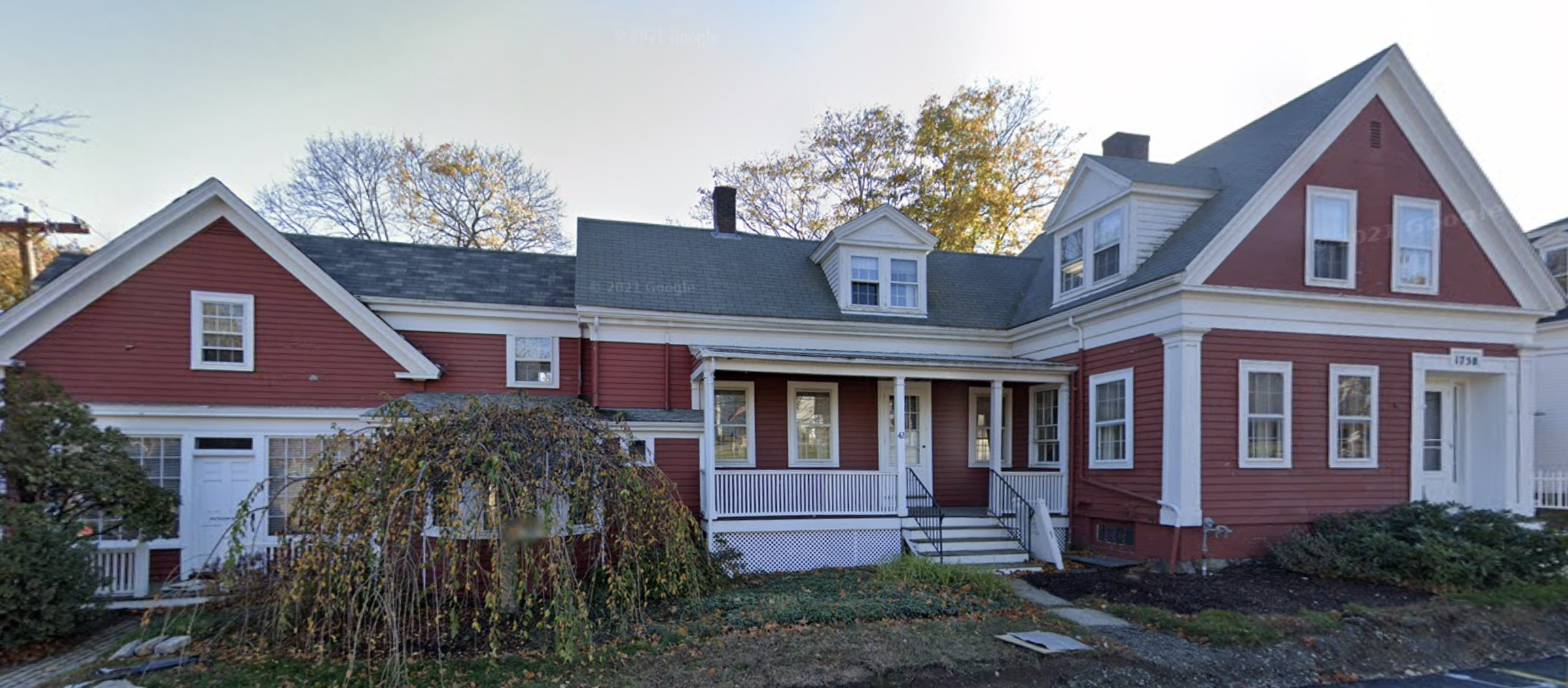
It hasn’t been a good month for historical preservation in Southborough. Earlier this year, the Historical Commission was notified that the Fay School, which owns the 1840s home at 42 Main Street, wants to tear it down to build “an appropriately historical structure.” The school is claiming that the building is unsound even though it was continually inhabited until a few years back, when Fay purchased it for roughly 350K.

Personally, I and others will go picket at the Fay entrance if they try to tear down this historic gem. (I already have my placard picked out: Teach History! Don’t Destroy It!) This house was home to the town’s physician, Dr. Stone, for decades and has served a number of other important roles over the years. With its rambling structure and attached barn it is an amazing example of the Greek Revival farmhouse style, and occupies a crucial plot of land directly across from the Town House.

If the Fay school no longer wishes to preserve the property, it should simply put it back on the market, sell it for a healthy profit, and let some young couple rehabilitate the structure and make it a thriving home again.

Unfortunately, I will have to follow the demolition permit process from afar, as last week the Board of Selectman forced me to resign from the Southborough Historical Commission after 21 years of service. It’s a long sordid story which you can read here in MySouthborough, but essentially the BOS got tired of my harassing them about their abject mishandling of the St. Mark’s Triangle project, and invented an excuse to get rid of me. However, as you read the article, I think you will agree the matter is far from closed.  As a final volley before I was forced off the decks, the Commission did send a letter to St. Mark’s School, essentially reminding them that as the owner of the St. Mark’s Triangle, it was their responsibility, or rather their duty, to ensure that there were no burials within the proposed construction sites before another spade of dirt is lifted—that is if we wish to continue to believe their claims of valuing diversity and Native American cultural heritage.

Finally, we received back the long awaited architects’ report on the Museum building funded through CPC monies. The story is bleak: the building requires 180K in essential repairs, mostly in long deferred maintenance.

To quote a favorite line from the Philadelphia Story, “this is one of those days that the pages of history teach us are best spent lying in bed.”

Would that the anti-preservation forces felt the same!

(On a personal note, I know all our hearts go out to the valiant, heroic, courageous people of Ukraine. Their horrific struggles set our first-world problems in true context, and we wish them godspeed in their valiant quest to save their homeland. Slava Ukraini!)

Good Omens for the New Year: National Register District Status Approved!

We are DEE-lighted, DEE-lighted to announce that as of the 29th of December, Southborough’s Downtown district, and all the structures nominated therein, are now listed the National Register of Historic Places. This has been a ten-year effort, championed by our dear departed friend, the late Kate Matison, who, I am sure, is smiling down from above. Congratulations to all involved, in particular to our good friends at the Southborough Historical Commission who helped push this through.

And in another good omen, the racist and white supremacist  battle flags that flew over the January 6th capital insurrection and that our Board of Selectmen voted last spring to maintain in the Old Burial Ground—despite a petition signed by 300 (!!!) individuals here in town—have mysteriously disappeared, poles and all!

Huzzah!

I would like to believe that more rational heads prevailed at Town Hall, but for whatever reason they are gone, and should be gone for good, as the Old Burial Ground is now on the National Register and flying such flags is against federal guidelines. Should they re-appear, a citizens’ petition to have them permanently banned certainly would be on the agenda for the next Town Meeting, and would most certainly pass.

And finally, don’t forget that December and January is our annual appeal! Please consider giving generously. Just click the button below to donate safely and easily online, or mail a check to 25 Common Street, Southborough, MA 01772


And HAPPY NEW YEAR!


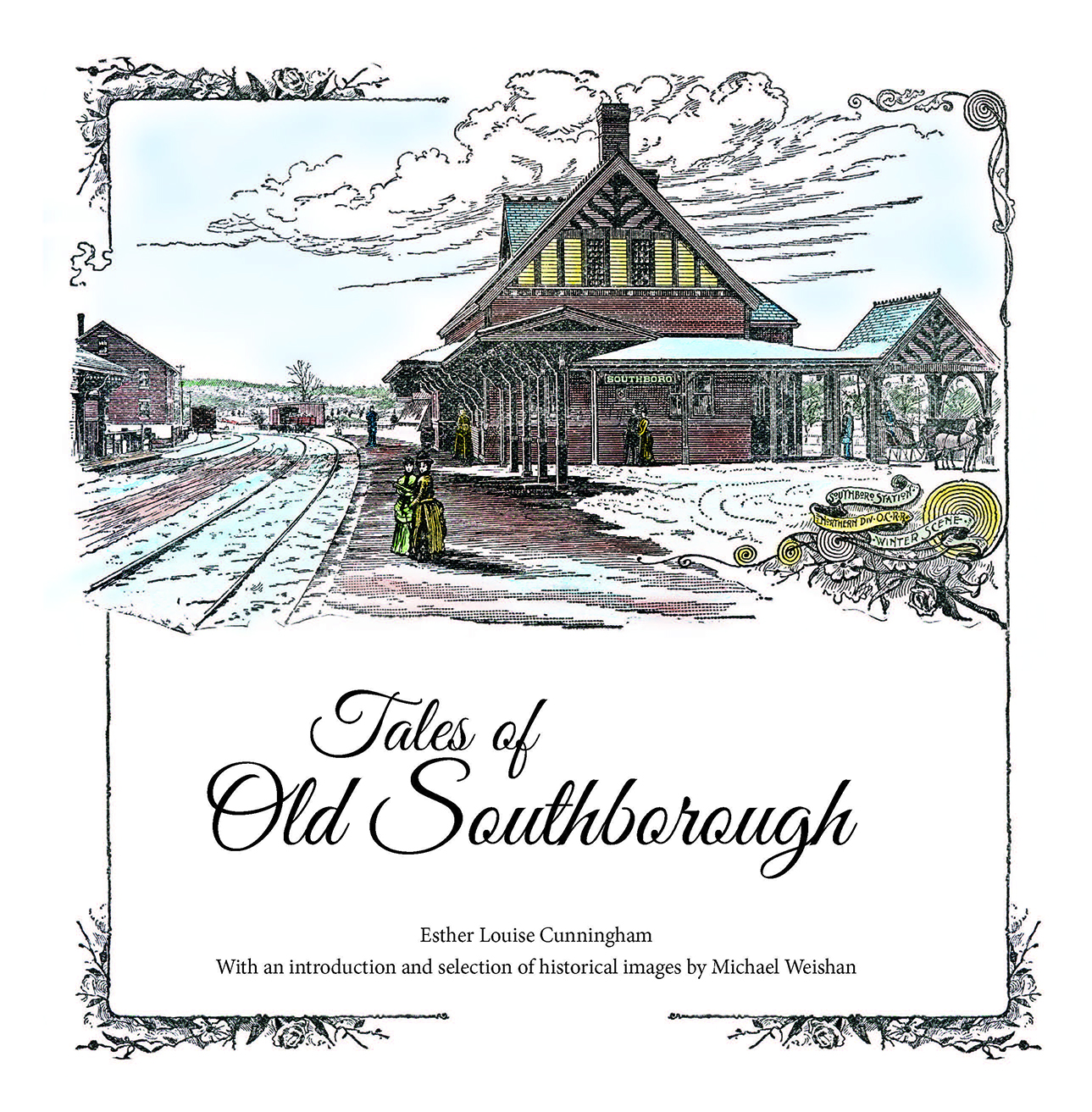
Our Latest Book, “Tales of Old Southborough,” Arrives Just in Time for the Holidays!


Esther Louise Cunningham, née Burnett, was the granddaughter of Joseph Burnett and spent the early part of her life in 1880s Southborough. This is her account of those days, a glimpse into an almost forgotten past of bustles and crinoline dresses, Sunday teas, ice skating on Parker’s Pond, languid horseback rides through the countryside, and exciting trips into Boston by steam train—now for the first time illustrated with more than 60 historic photographs and illustrations to enhance and enliven this charming narrative.

This limited first edition is on sale now, and ships the second week of December. Order your copy now quickly and easily online by clicking the button below.


Remembering a Southborough Revolutionary War Veteran

It seems appropriate that as we salute our veterans, I return to trying to learn the stories of the men from Southborough who served in the American War for Independence. When I originally began, I intended to focus on the men who are buried in Southborough’s Old Burial Ground, but as I started to do research it seemed appropriate to begin with the three men who died during the war. As it happens none of them is buried in the Old Burial Ground, probably because of the impracticality in the 1770’s of transporting bodies long distances. I have already examined the lives of Private Jesse Amsden and Major Josiah Fay, and their families. The third Southborough casualty of the war was Private Joseph Fay. Unfortunately, since he died during the war and he was unmarried, it is much more difficult to piece together his life. One of the great sources for learning about the veterans of the Revolutionary War era are the pension applications of either the veterans themselves or those of their widows. Neither of those sources exists for Joseph Fay because he died during the war and did not leave a widow.  The few records of his military service, give a much more skeletal view of his life than the pension applications often offer.

We know that Joseph Fay was born into a large family, one of Aaron Fay’s 18 children. Joseph was born on August 19, 1756 in Southborough, the oldest son of Aaron Fay and his second wife, Eunice Bradish Farr. Aaron Fay and his first wife Thankful had ten children, three of whom died as infants.  Aaron and his second wife Eunice had eight children, one of whom died as a child. Four of Joseph’s older half-brothers, Aaron Jr., Elijah, Heman, and Nathan, as well as his younger brother Francis also served during the American Revolution. The Aaron Fay family obviously believed in the cause of American independence.

Joseph marched to Concord on April 19, 1775 as a member of the Southborough militia in Captain Josiah Fay’s Company. He also served for three months fifteen days in 1775 during the occupation of Dorchester Heights.  On May 15th 1777, Joseph enlisted in Captain Aaron Haynes Company of the 13th Regiment of the State of Massachusetts, under the command of Colonel Wigglesworth. Joseph received a twenty-dollar bounty for enlisting, some of which may have helped support his younger siblings. He reported for duty on September 19, 1777 and served for a total of eighteen weeks and one day before his death was reported at Valley Forge on May 4, 1778. He was 21 years old. The total pay for his service in 1777/78 was $44.17. As in the case of fellow Southborough soldier Jesse Amsden, who also died at Valley Forge, we do not know where Joseph is buried. We are uncertain as to where in New York City, Joseph’s second cousin Major Josiah Fay, is buried. There is a plaque at the Old Burial Ground commemorating the service of the three men from Southborough who died during the Revolutionary War.

We are grateful for all those who served during the War for Independence and to the military veterans who have served through out our history.

Old Burial Ground Moves to the Top of Southborough’s Most Endangered List After Clear-cutting of Adjacent Parcel


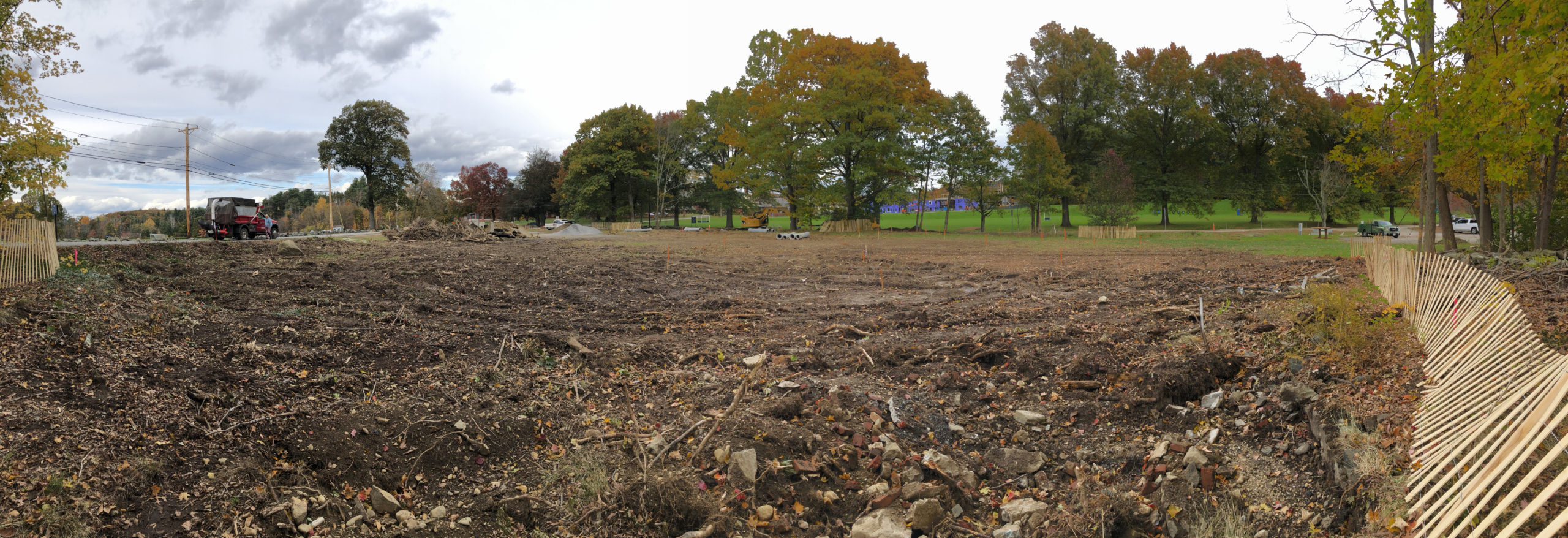
The newly clearcut triangle between St. Mark’s Street at left and Marlborough Road at right, looking north. Click any picture to enlarge.

Dear Friends,

I would like to share with you a letter I wrote to the relevant Town Board and state agencies as Chair of the Historical Commission regarding the wholesale clear-cutting of the parcel adjacent to the Old Burial Ground. Though this parcel is entirely owned by St Mark’s, the town has apparently reached some license agreement—vetted by neither the Planning Board or the Historical Commission, to reroute St. Mark’s street in order to enhance the sports parking area for the school and create a pocket park. Apparently, the Town is using state funds to do this project, and St. Mark’s is paying for some?—though who is paying for what remains unclear at this point. Unfortunately, this ill-conceived project threatens to unearth human remains and has now destabilized the entire remaining Old Burial Ground tree cover.


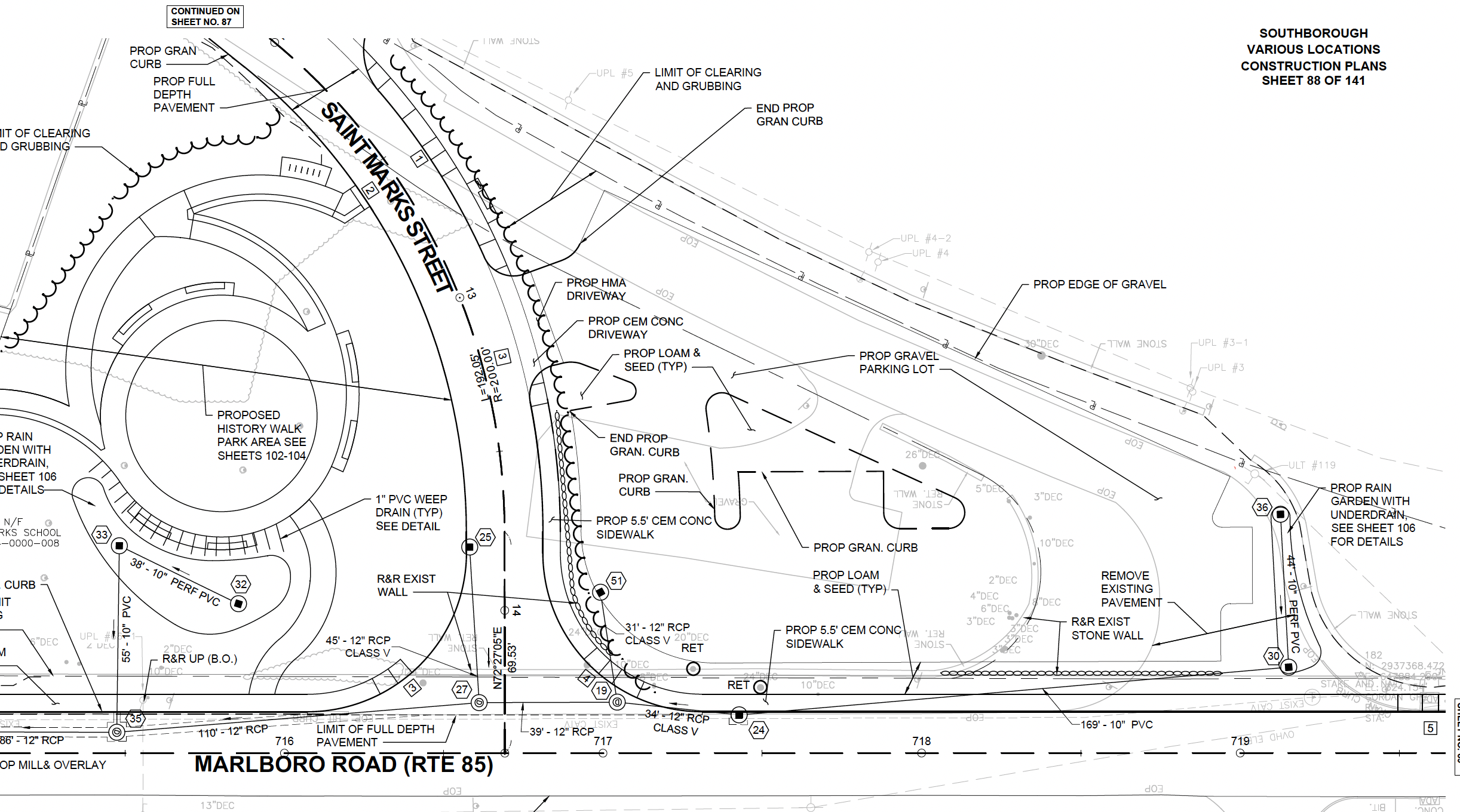
The plan for the entire triangle. Click to enlarge.

To: Southborough Select Board; Southborough Planning Board; Southborough Open Space Commission; The Southborough Historical Commission; Mark Purple, Southborough Town Administrator; Brona Simon, Executive Director, Massachusetts Historical Commission and State Archeologist; Southborough Historical Society; Karen Galligan, Southborough Director of Public Works.

1 November 2021

As chair of the Historical Commission, I am writing to express extreme concern about the current road and park project along St. Mark’s street at the corner of Marlborough Road (Rte. 85).


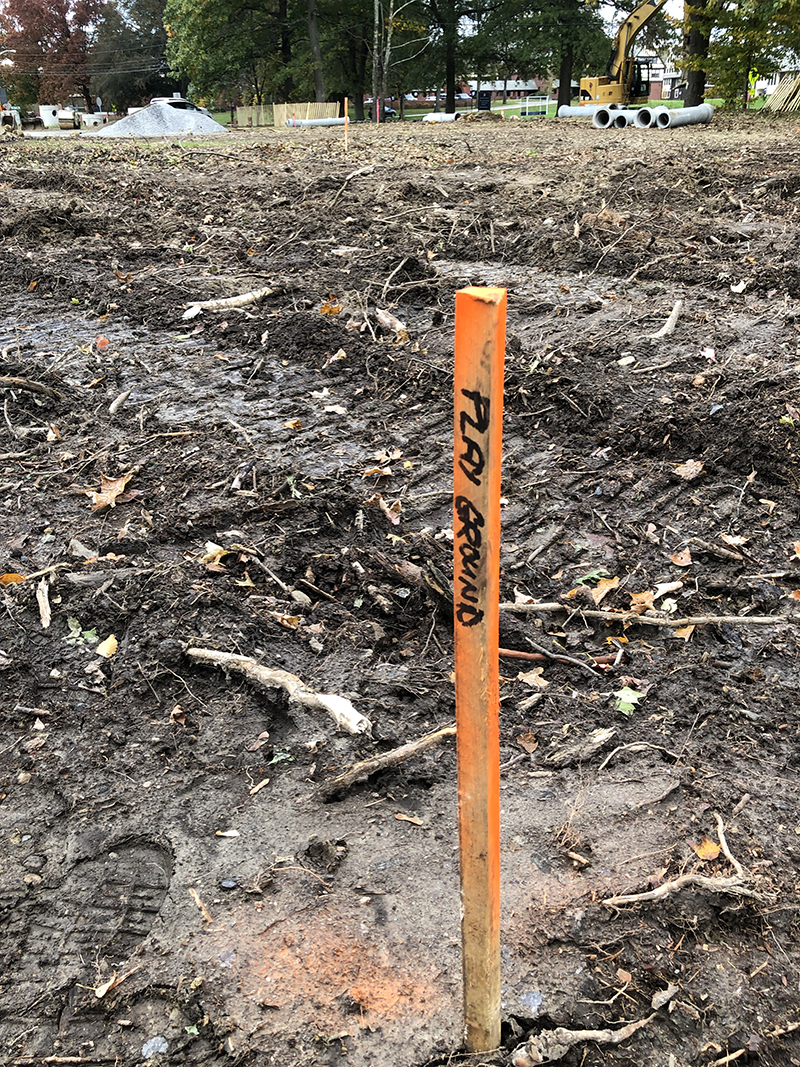
Plans continue for a discontinued playground

Although the Southborough Historical Commission had seen some conceptual plans for a park and history-walk back in the spring, we had not heard about it since, and presumed the project dead. Suddenly last week, the entire triangle bordering the Old Burial Ground, Cordaville Road, and St. Mark’s Street was clear-cut over a period of two days, without consulting either the Historical Commission or seeking the required Planning Board site review and approval. After speaking with Karen Galligan, the DPW head, it now seems that the project is proceeding using only a conceptual plan, with major elements such as the history-walk and playground arbitrarily deleted. With the educational and entertainment features eliminated, what exactly is the point of this project except facilitating expanded parking for St. Marks School?


The plan showing the entire triangle, with park to the left and parking area to the right. Click to enlarge.


Had the Commission been consulted before construction began, we would have again warned the Board of Selectmen that previous ground radar surveys have indicated numerous colonial-era interments outside of the current Old Burial Ground (OBG) walls. Additionally, the wooded parcel that was cleared last week was also the most likely location of the original pre-contact Native American burial ground. Further soil disturbance so close to the OBG risks disinterment of human remains.

A man-made structure unearthed just outside the OBG walls. Crypt? Old Wall? Who knows without a proper archaeological inspection.


Equally critical, the clear-cutting of century-old woodland has now destroyed the windbreak for the trees in the Old Burial Ground, which were already in extremely precarious condition. With this protection removed, the OBG trees will now be highly susceptible to storm damage, which in turn risks the historic markers below.

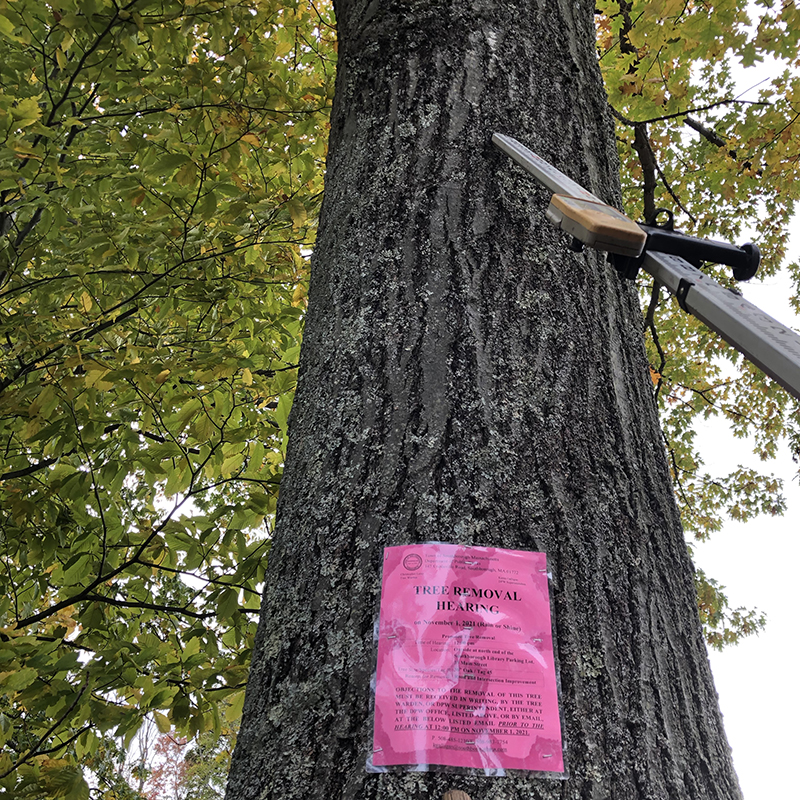
One of the few remaining street trees I have objected to removing. The decision now moves to the BOS meeting this Wednesday 11/3. Please attend if you can.

Following the Historic Commission’s stated objection about felling trees on scenic roads, I have formally objected to the removal of any further trees on the site, in particular those along Marlborough Road.

Additionally, I would strongly advise the Board of Selectmen to work with the Historical Commission to fund an emergency professional tree survey of the Old Burial Ground with the idea of assessing the state of the remaining specimens, and doing any required pruning or removal before the onset of the winter storm season, in order to mitigate further damage to the burial stones. Long-term, there needs to be a proactive tree and marker restoration plan with sufficient annual funding to preserve the integrity of our most precious historical asset. There should also be a permanent marker acknowledging the Native American presence in this area.

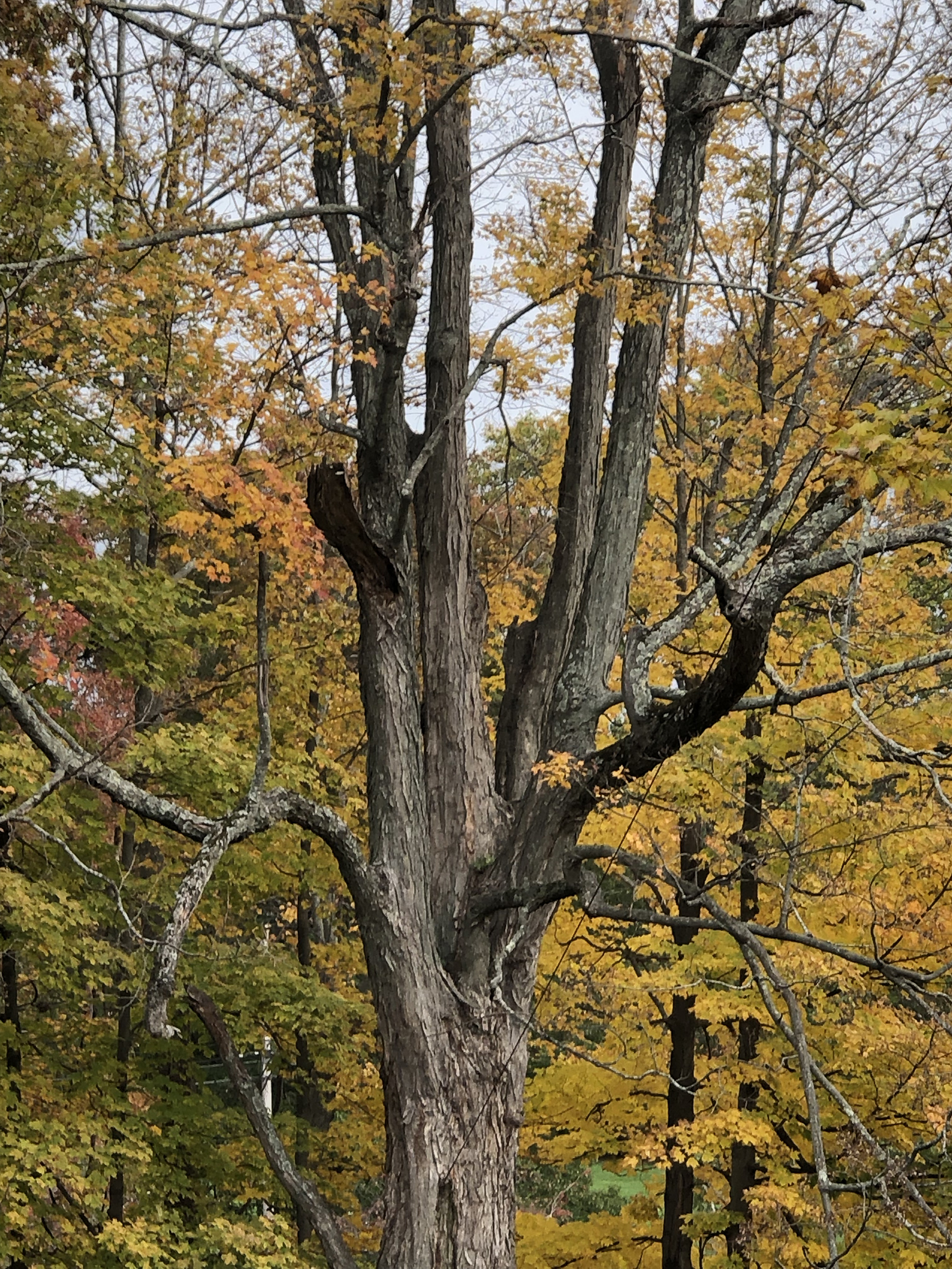
Called widow makers for a reason, large dead branches like this can easily damage the historic markers below.

Regarding the park itself, in my professional capacity as the head of a landscape architecture firm, I have reviewed the proposed planting plan and design, and found them extremely lacking. The plant selection is poor and makes no provision for climate change. Even more worrisome, the entire design was conceived around a central play area that has been eliminated, rendering the current layout useless.

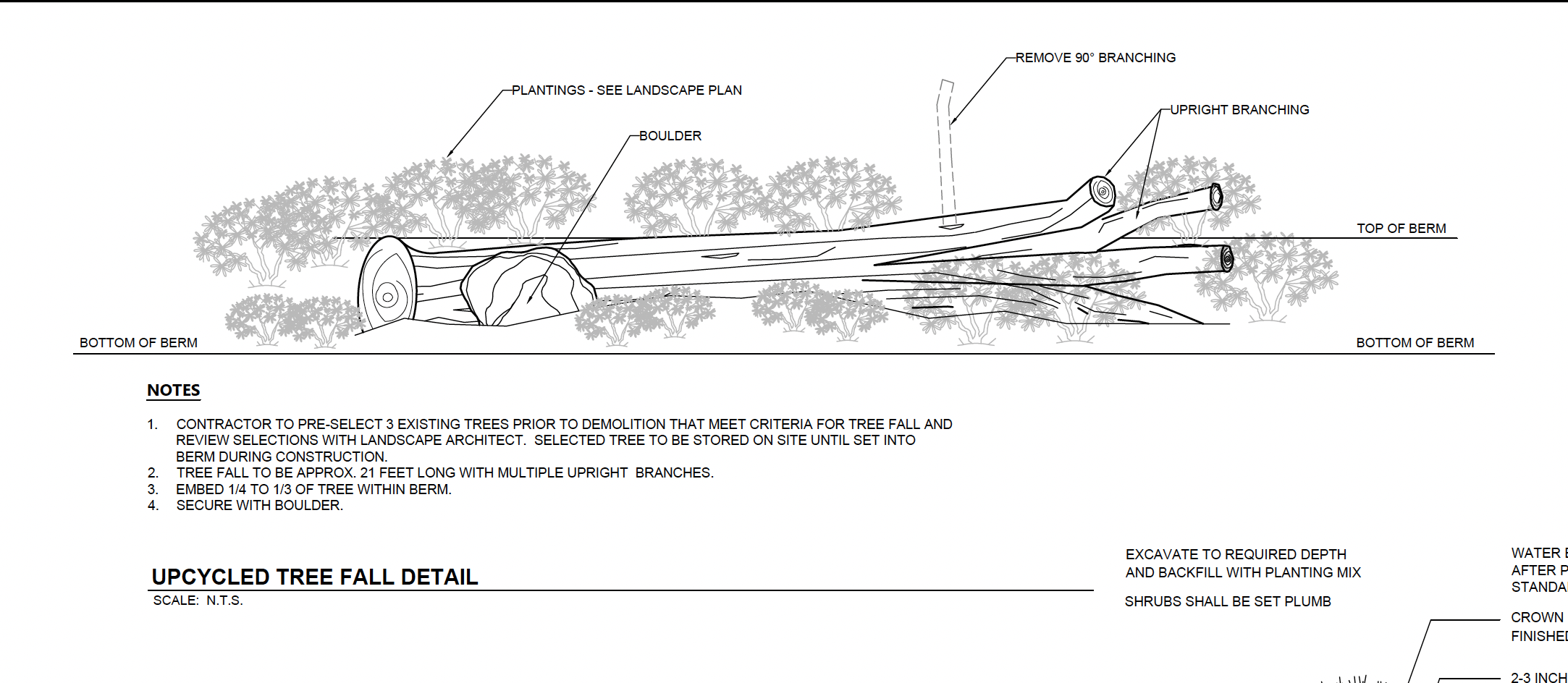
The design for the dead tree berm.

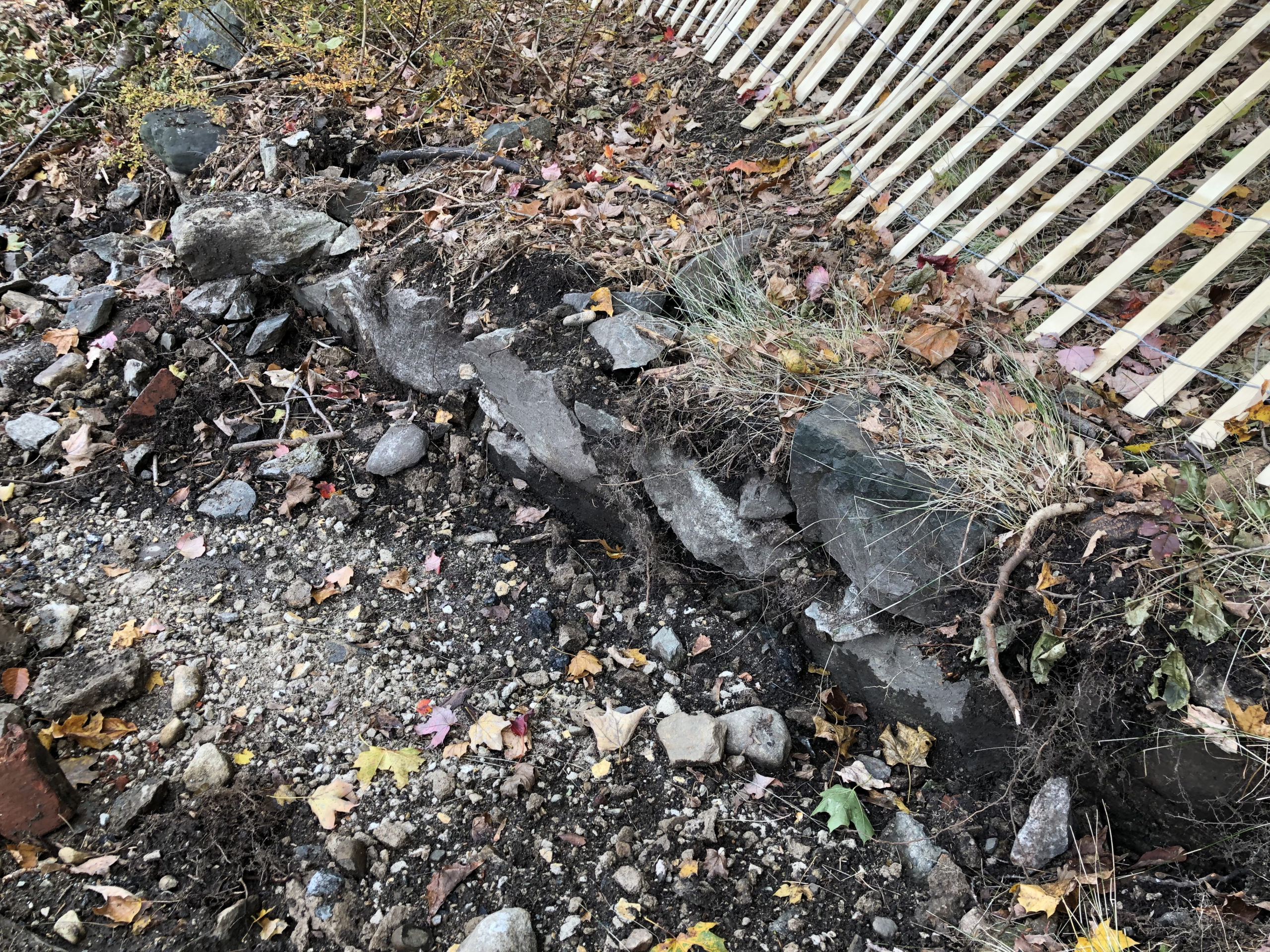
In particular, the proposal to cut down three large trees and use them sideways as some sort of tree-sculpture-berm-structure borders on the absurd, as after only a short period of ground contact, these trees will rot and create a huge legal liability for the town should anyone climb on them. There is also the issue of the historic stone wall along Marlborough road that will be destroyed if the current plans are implemented, violating our own preservation bylaw.

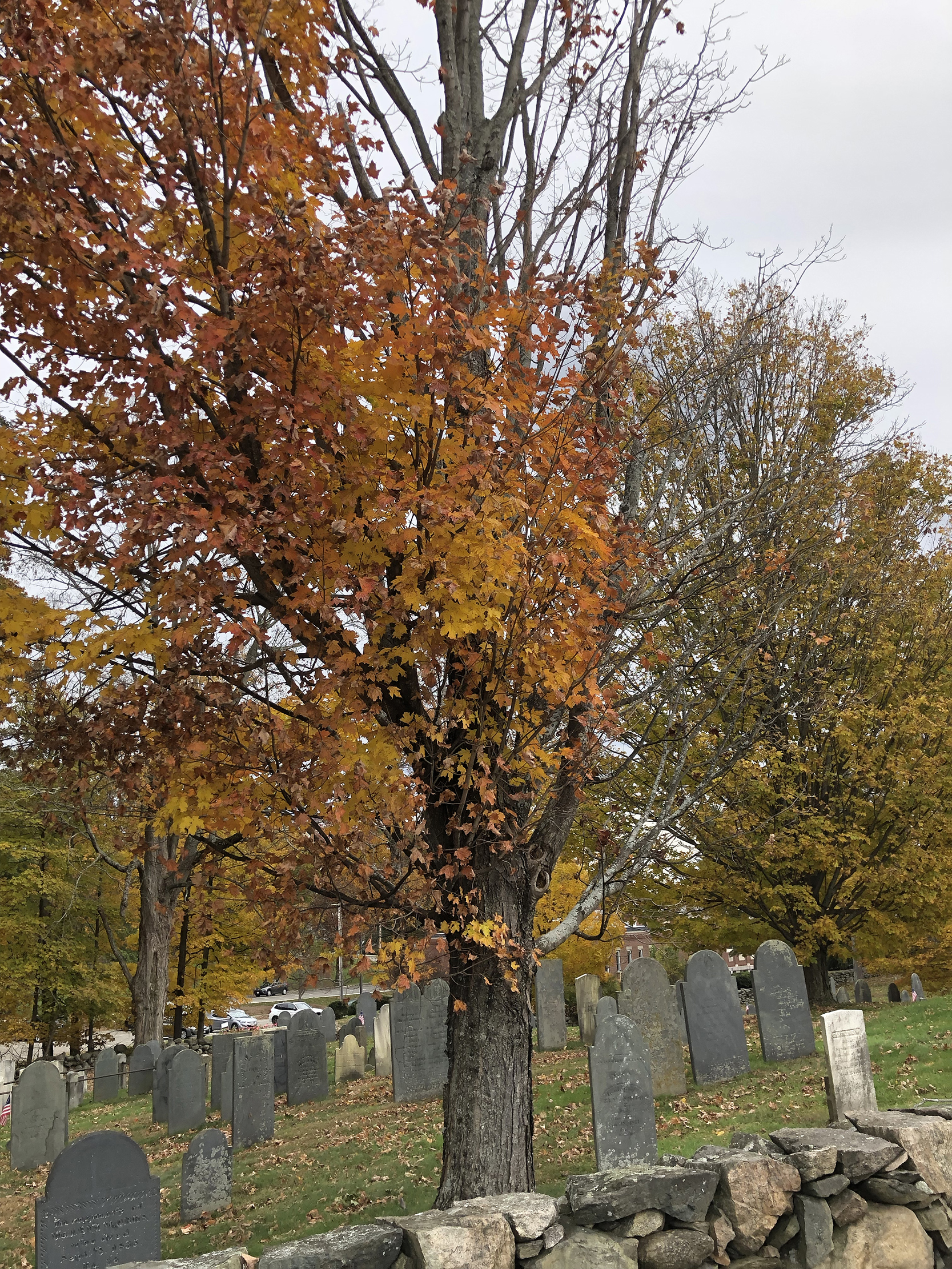
A typical tree in the OBG. The right side hasn’t lost its leaves, it is dead.

I would urge the Select Board to halt this project immediately until it can be thoroughly reviewed and approved by the Town Boards which should have been consulted before construction began: namely, Planning, Historical and Open Space. It remains unclear how much—if any—use by town residents the current “park” would have on such an isolated site without any attraction. The entire concept should be thoroughly reconsidered. Whatever else may happen to this parcel in the future, it is critical the area bordering the Old Burial Ground not be further disturbed, the expansion of the St. Mark’s parking area be visually mitigated, plans be made to restore the tree cover along the boundaries of the triangle, and immediate steps taken to preserve the existing trees and markers in the OBG.

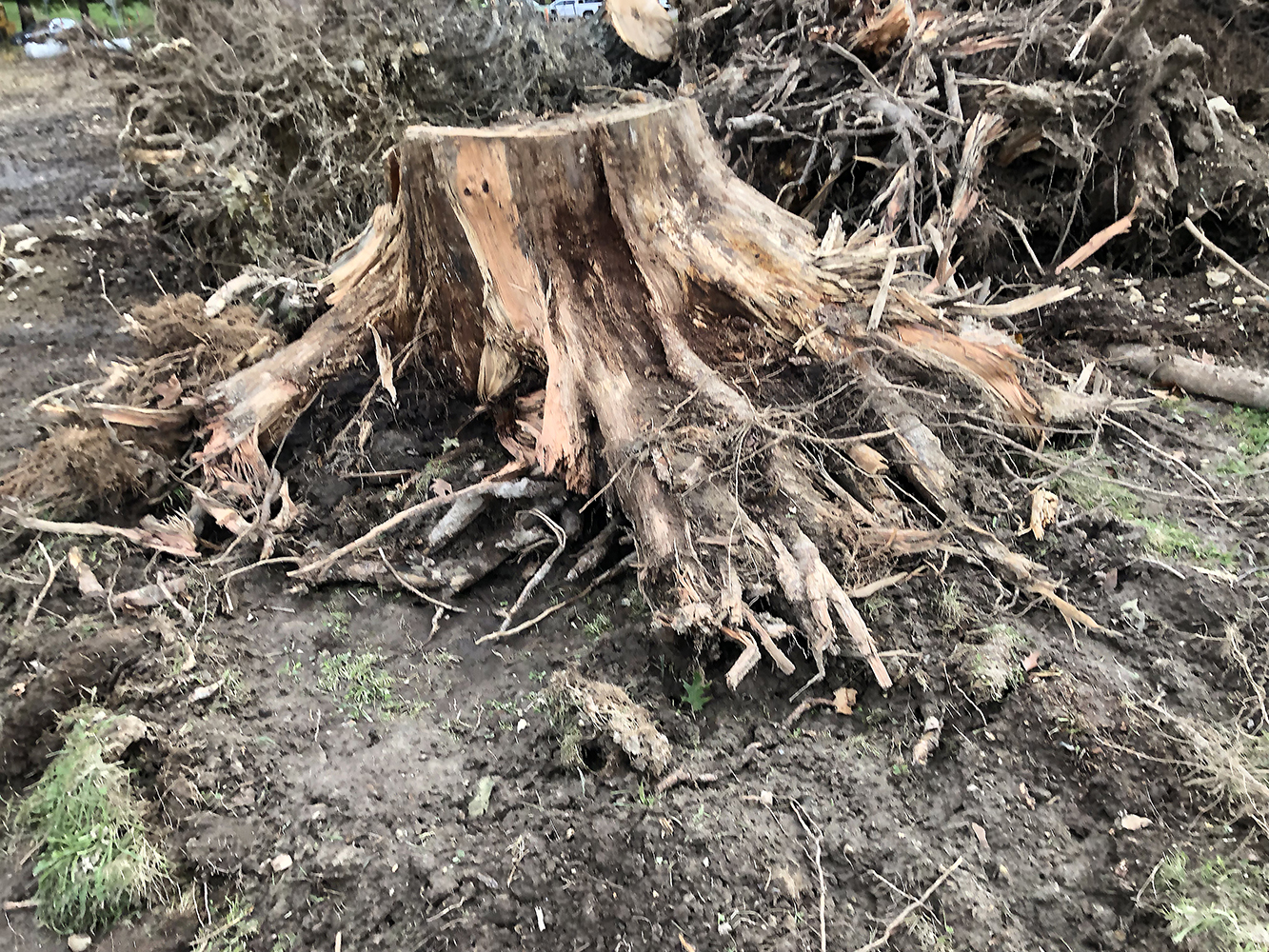
Hard to believe this massive stump was a 100′ living oak a week ago.


From Gravedigger to General

by Sally Watters


                                                  Nathan Johnson (1779-1852)

 As we move further and further from the time that the Old Burial Ground was an active cemetery, trying to learn about the people buried there becomes increasingly challenging. While doing research about the people in the Old Burial Ground, one resource that has proven to be invaluable is the Burial Book containing the names of the people buried there starting in 1794. There are also church records extant from 1799 on and town records beginning in 1727. By using all these sources, one can piece together most of the deaths that occurred in Southborough from its creation as a separate town forward. The sources complement each other because sometimes a record appears in one source, but not another. The thing that makes the Burial Book fascinating is that it often includes interesting comments about the cause of death. It also notes if someone died elsewhere, but was buried in Southborough, or if someone died here, but is buried elsewhere. The Burial Book was started in 1794 by Nathan Johnson when he was fifteen years old. I became curious as to the identity of this young gravedigger and began to dig into his life. I was amazed at the trajectory that his life took.

Nathan was born in Southborough in 1779, the oldest child of Elisha Johnson and his second wife, Sarah Perry. He was the great-grandson of William Johnson, an original settler of Southborough. His father and at least three uncles fought in the American Revolution. Service to the country and community was part of Nathan’s DNA. He began digging graves for the town in 1794 and began keeping records of deaths in the Burial Book. One of the first deaths he recorded was that of Rachel Johnson. Next to her name was the simple notation, “my grandmother.” There were only twelve deaths that year. Nathan, apparently a very devout young man, wrote “This year has been very healthy, no epidemical diseases has been suffered to come in among us to destroy our happiness. Let all mankind improve their health to the glory of their Maker.” The following year, he recorded the death of Hannah Johnson, age 2, and added “my sister.” The town had enjoyed another healthy year with only nine burials. One of those burials had been challenging he said because “What is here astonishing to be remarked of this gentleman is that he was one of the most corpulent persons, perhaps, in this country, He weighed in March last 430 pounds, and it is altogether likely that when he died, he weighed much more.” The next year, 1796, was far from a healthy year for Southborough. Nathan had to dig 36 graves, including many for children who succumbed to a scarlet fever epidemic that swept through Massachusetts. Eight of Reuben Fay’s children died in a six-week period. The following few years averaged twelve to fourteen burials.

Perhaps dealing with the uncertainties of life on a regular basis motivated Nathan to make the most of his life. He left Southborough to attend Yale, graduating in 1802. After his graduation from Yale, he lived with the family of US Supreme Court Chief Justice Oliver Ellsworth, studying law. He began his law practice in Hartford, Connecticut in 1808.

During the War of 1812, Nathan served as a captain in the Connecticut militia first under Colonel William Belcher and then under Colonel Ezra Brainard. After the war, he served in the Connecticut Light Artillery. He rose to the rank of brigadier general of the artillery of the state of Connecticut and also served as quartermaster general of the state. When Revolutionary War hero General Lafayette visited Hartford in 1824, General Nathan Johnson was responsible for the parade of soldiers that greeted him and he served as Lafayette’s escort.

Nathan Johnson was also involved in many civic affairs. He served as the treasurer of Hartford for sixteen years. He also was clerk of the Connecticut House of Representatives, and later was a member of both the Connecticut House and Senate during the 1820’s. He was a supporter of the Hartford Female Seminary, one of the first educational institutions for women. He was very active at Yale where he served as a Fellow of Yale College helping prepare students for entrance, and served on the board of the corporation of Yale. In 1827 he was recognized with an honorary degree from Harvard. His law practice in Hartford flourished. He also served as a judge in Connecticut.

Did this son of Southborough ever return to the town of his birth? The only mention of Nathan Johnson in the town history, Fences of Stone, is that “…the first temperance lecture ever given in Southborough, delivered by General Nathan Johnson of Hartford at the home of Josiah Johnson…” was delivered in 1826. Nowhere is it noted that Nathan was originally from Southborough and was in fact giving the speech at the home of his brother! It is likely that Nathan Johnson returned to visit his parents and siblings on many other occasions. He is recognized in the will of his father, who did not die until 1832, with the following bequest – “That my son Nathan Johnson, who has received his portion in a liberal education, receive in addition thereto, at the decease of myself and my wife, with all my other children, an equal share in my library.” Education and reading were important to the Johnson family. His mother survived until 1847. His parents and several of his siblings are buried in the Old Burial Ground.

Nathan Johnson died in 1852 at the age of 72. He was survived by his wife and seven children. He was a prominent lawyer in Hartford, and had served as a judge. His will hints that he was also a successful businessman and a serious scholar. The inventory of his possessions includes shares in several business ventures, several parcels of land, as well as hundreds of books and pamphlets with titles ranging from legal topics to works relating to religion and science. The young man who started out as a gravedigger at Southborough’s Old Burial Ground at the age of 15, died a celebrated lawyer, judge, and general. He is not buried in the cemetery in Southborough where he dug so many graves. His grave is in Spring Grove Cemetery in Hartford.

Sources
1. Massachusetts, U.S. Towns and Vital Records, 1620-1988, Church Records, with Births, Marriages, and Deaths
2. Massachusetts, U.S. Towns and Vital Records, 1620-1988, Births, Marriages, and Deaths
3. Fences of Stone – the passage about Temperance Speech
4. Commemorative Biographical Sketches of Hartford County
5. Vital Records of Southborough 1727-1849
6. https://www.usdeadlyevents.com/1796-scarlet-fever-epidemic
7. Connecticut, U.S., Wills and Probate Records, 1609-1999
8. Massachusetts, Worcester County, Wills and Probate Records 1635-1991
Historic Main Street Walking Tours 10/23 and 10/30

The Society is excited to announce two history walking tours on Main Street this October to celebrate our new Downtown National Register District!

The first, Model Farms and Country Seats, will explore the development of  West Main Street as an area of vast summer estates for Boston’s wealthy elite. Beginning at the museum, we’ll be taking in the history of Pilgrim Church, The Town House, St Marks, the Kidder, Choate and Sears Estates, as well as a special tour of the newly restored grounds at 84 Main Street, the Burnett Mansion.

Saturday 23 October at 1-3 PM
Limited to 30
Reserve your ticket HERE


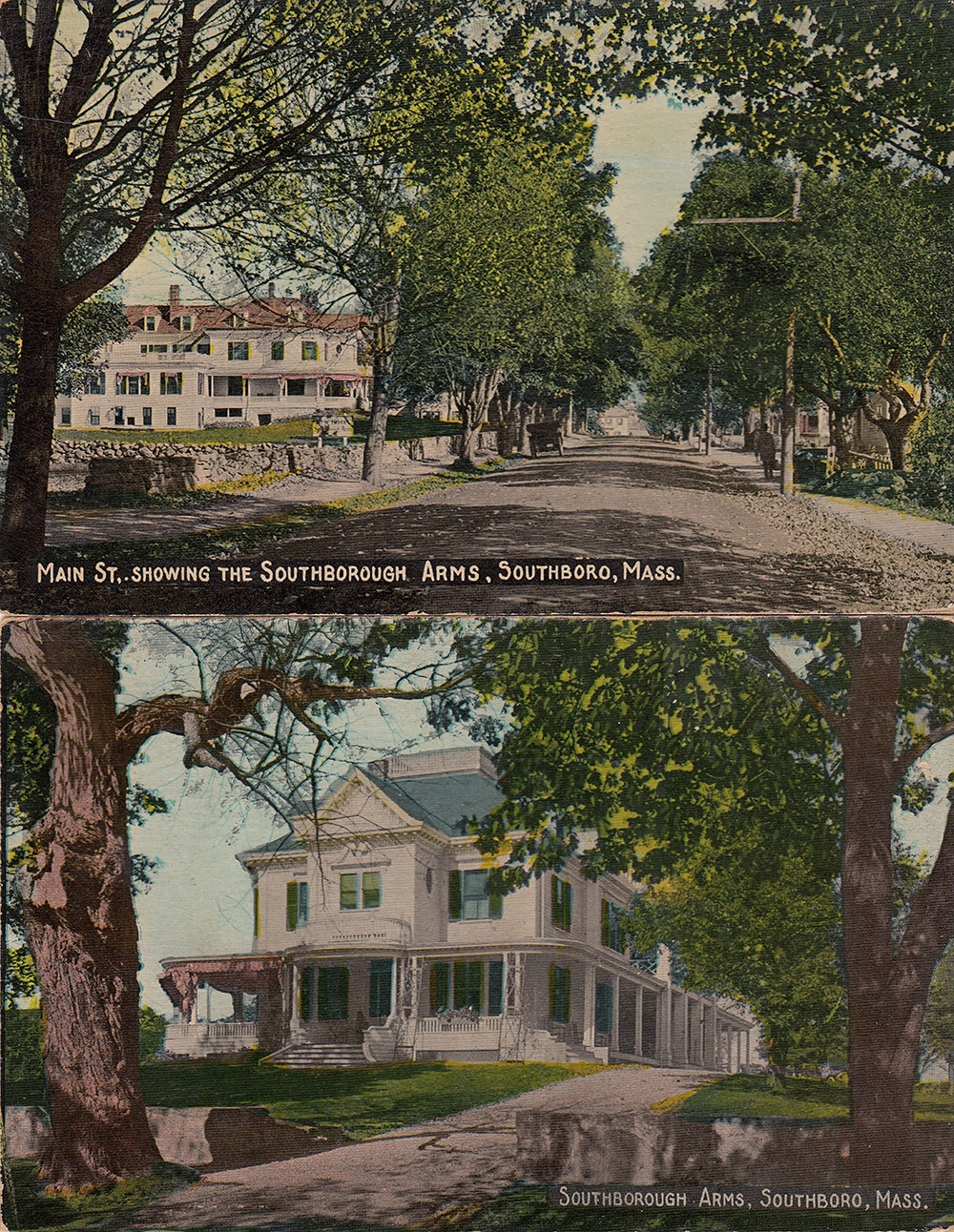
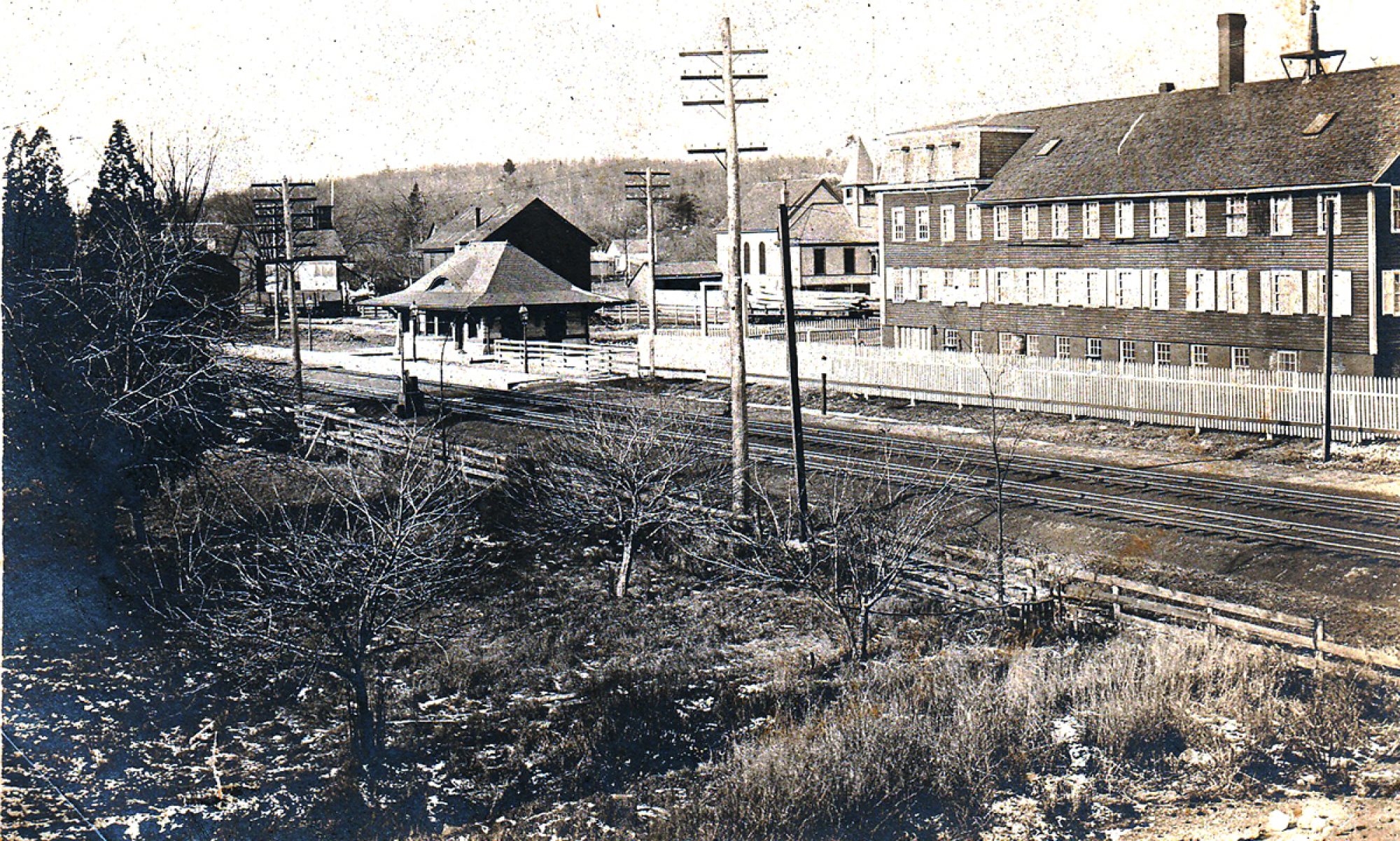
The second tour, Merchants and Ministers, will head east from the museum to investigate the history of our main street from its origins as a native American trail to its development as a small commercial center. Stops will include most of the homes along Main Street, as well as the former sites of the railroad station, the Sealey Block, the Southborough Arms, and the second iteration of the Congregational Church. We’ll end up in the Old Burial Ground just in time for Halloween to hear some remarkable tales of those buried within.

Saturday 30 October at 1-3 PM
Limited to 30
Reserve Your Ticket HERE

Both tours will be led by SHS president Michael Weishan, and attendees will each receive an electronic headset to guarantee easy listening. Starting and ending point is the SHS Museum behind the town hall. While we will be on sidewalks most of the time, each tour is about 1.5 miles and encompasses hills, so comfortable clothes and shoes are a must. Rain dates are the following Sunday at 1 for each tour.

Tickets are free for Society members, $15 at the door for the general public. Advance reservations are required. Make your reservations soon as these will in fact sell out.

COVID restrictions: Age 12+ and full vaccination for all tour participants. Masks at your discretion.

Further Kindness of Strangers, Or, How The Election of 1799 Went

by Michael Weishan

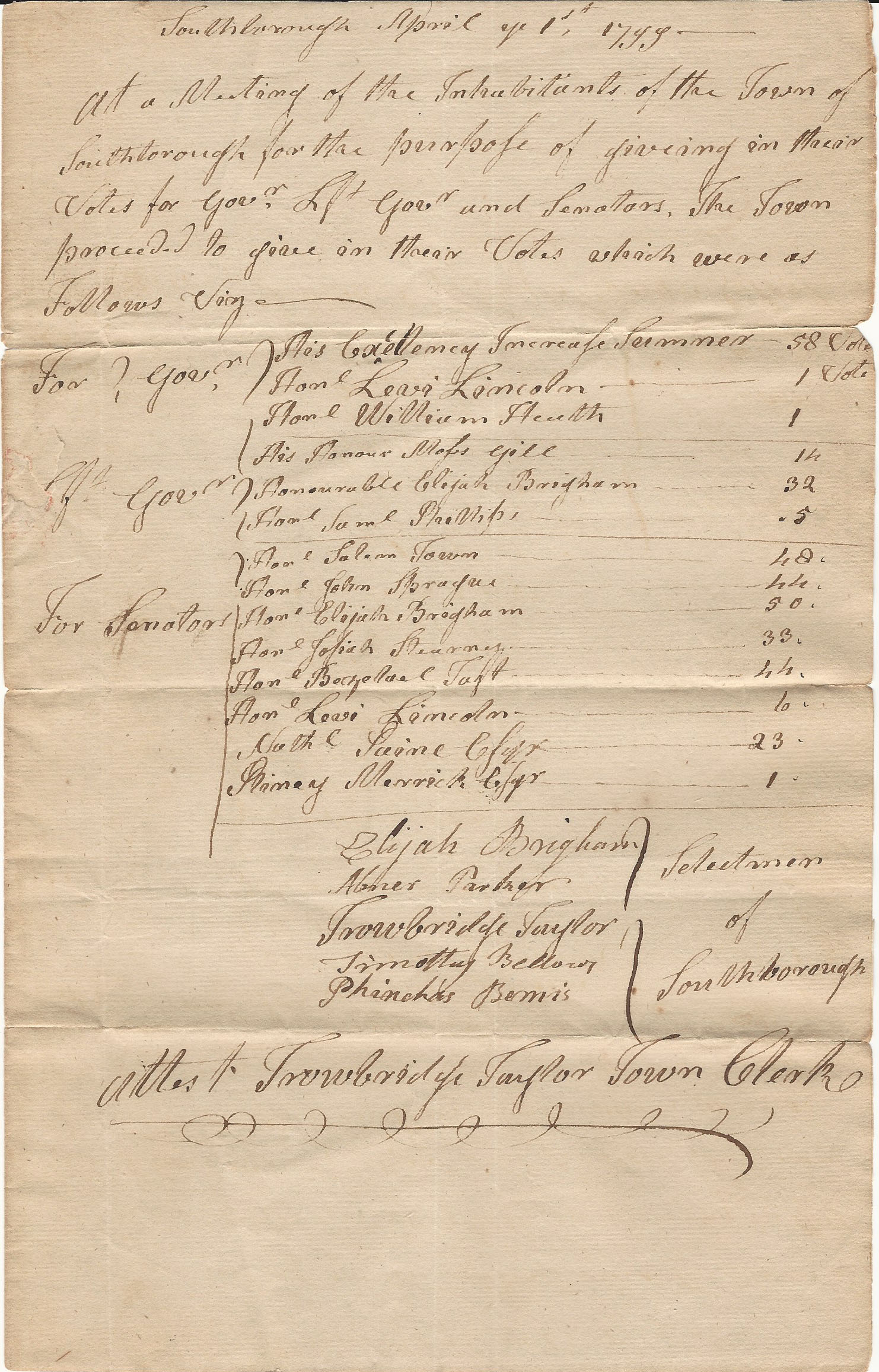
I am constantly amazed at what pops up in Historical Society inbox. A week or so ago I received an email from a gentleman in Texas inquiring whether or not we would be interested in the official 1799 election results for Governor, Lt. Governor and Senator (presumably State Senator.) I replied that we would be delighted, and shortly thereafter this arrived in the mail:

What an amazing document!

The election that year was particularly interesting, as the much respected governor Increase Summer was running for a third term from what turned out to be his deathbed. He managed to rise only long enough to take the oath of office—and died several days later. The Lt. Governor, Moses Gill, (who interestingly was not the first choice of Southborough voters) then became governor. He too subsequently died in office, and it was the first and only time in Massachusetts history that the Governor’s Council briefly ruled the state.

This kind of document can tell us a lot beyond a basic tally. For instance, there were 61 total voters present at the election meeting (no voting booths then) and almost to a man (and they were all men) they supported the Federalist Candidate Increase Summer. That’s a remarkable level of uniformity even in so small of an electorate, and speaks to the conservative nature of our yeoman farmers, as well as the sparse population of the town at the time.  You can see also that one of our selectmen, Elijah Brigham, ran for Lt. Governor and was the majority choice of the town. He also was the majority choice for state senator.  Presumably that vote was simply one of loyalty to a native son, as it seems he didn’t win either post.  Interestingly too, the totals here would indicate that each voter listed his top four candidates in order of preference—in other words, exactly the type of ranked choice voting that has been in the news lately.

The 220 years of travels that this particular document have seen can’t even be imagined. Our kind Texas gentleman was a stamp collector and received the tally as part of a batch of documents some 30 years ago from a man in Colorado. How this sheet of paper got to Colorado is anyone’s guess, but we can safely assert that two centuries later this remarkable document has finally returned home,  once again due to the kindness of strangers.


PS: Due to the changing nature of the COVID situation, the Society is not planning any activities this Heritage Day. However, we ARE planning a guided history walking tour of Main Street in late October. Stay tuned for more info on that in a few days.

Remembering a Southborough Patriot on Memorial Day

On Memorial Day it seems appropriate to commemorate the life of one of the three men from Southborough died in the Revolutionary War. The last post was devoted to Jesse Amsden who was among the almost 2000 soldiers who died while at Valley Forge. The other two men who died during the Revolution were both members of the extensive Fay family. Major Josiah Fay and Private Joseph Fay. They were among over a dozen men from the Fay family who served from Southborough.

Major Josiah Fay

Josiah Fay was born in Westborough in 1731, the son of John and Hannah (Child) Fay.  John’s father died the year after his birth, leaving his mother with five young children. Two years later, she married Samuel Lyscom of Southborough whose wife had died the previous year leaving him with 7 children. Hannah and her new husband would have 3 additional children leaving the potential for 15 children in the Fay/Lyscom household. However, a 1738 document in the Worcester County Probate Court shows that for at least part of the time, Hannah’s children by John Fay of Westborough, including Josiah, were placed under the guardianship of his father’s cousin, John Fay of Southborough.  Another document shows that Josiah’s father’s estate was finally settled in 1746 with the disposal of his extensive land holdings of almost 200 acres in Westborough and Shrewsbury. Josiah’s share was valued at 196 pounds.

In 1755, during the French and Indian War, Josiah served first as a Sargent and then as a Lieutenant, in Captain John Taplin’s Militia Company. There were at least seven other men from Southborough who marched out with Captain Taplin’s Company in June 1755. In September, on their way to try to capture Crown Point, the colonial militia and British soldiers, were attacked and routed by a large force of French and Indians. Most retreated safely back to Fort William Henry, but Josiah’s 1st cousin once removed, John Fay Jr., the son of his former guardian, was killed in the attack.

Upon returning to Southborough, Josiah married Mary Bent in 1758. They had nine children including two sets of twins. All of their children reached adulthood except for one of the twins who died in 1773 at age 15. Josiah Fay was very active in town and regional politics. He served several terms as a selectman. Having fought alongside the British, he was nonetheless alarmed as the British government began to tighten regulations and introduce new taxes in the colonies. He was chosen to be a member of Southborough’s Committee of Correspondence, part of the network that was set up to keep towns abreast of the actions of the British government and the reactions of the colonial governments. He also led the Southborough militia which was training regularly in preparation for any actions the British might take. The militia was not only training, but was also stockpiling ammunition in the town powder-house that was located in the burial ground. In 1774, in reaction to the Intolerable Acts that the British had imposed as punishment for the Boston Tea Party, the town passed a non-importation resolution agreeing to boycott British goods. In January 1775, Josiah Fay was elected as Southborough’s representative to the Massachusetts Provincial government.

When one of the many riders sent out by the committees of correspondence network to alert towns that the British were marching toward Concord to confiscate weapons and ammunition stored there reached Southborough early in the morning of April 19, 1775, the Southborough militia companies responded quickly.  As Captain of the Southborough militia, Josiah commanded one of the militia companies that answered the alarm.  He served for five days.  In May 1775, he was commissioned by the Massachusetts Provincial Congress as a Captain in the regiment initially commanded by General Artemas Ward and later by Colonel Jonathan Ward.  Officially designated the 21st Massachusetts Regiment, it was generally known as Ward’s Regiment. Captain Elijah Fay’s company of 32 men took part in the siege of Boston that lasted about eleven months. The siege included time on Dorchester Heights, the Roxbury Guard, and Bunker Hill. Shortly after the British evacuated Boston on March 17, 1776, the Continental Army, including Captain Josiah Fay and Ward’s Regiment, marched south to New York where Josiah Fay’s service was rewarded with a promotion to Major.

Back home in Southborough, a town meeting held on June 10, 1776 voted to support independence if the Continental Congress decided on such a course of action. Josiah Fay and the army in New York City would learn that the Continental Congress had finally declared the independence of the United States on July 4th, 1776. In Southborough, where the idea of independence had wide support, Josiah’s family heard the Reverend Stone read a copy of the Declaration of Independence from the pulpit on a Sunday in mid-July. That copy of the Declaration of Independence is at the Southborough Historical Society Museum. In New York, many people did not share Southborough’s enthusiastic support for independence. The Continental Army found itself faced with opposition from loyalists who did not agree with the idea of separating from England. On August 8, 1776, Major Josiah Fay died after his food was poisoned by a loyalist.

Josiah’s widow Mary was left with their eight surviving children ranging in age from 19-year-old Josiah to 5-year-old Alpheus. From surviving evidence, we can conclude that Mary was a strong, capable woman. She was made administratix of Josiah’s estate. From 1777 until 1793 she was listed as a voter for Southborough Town Meetings. Mary survived her husband by 57 years, dying in 1833. The final value of her estate was $2000 (about $64,000 today.)  When her son Peter, a lawyer, died just six weeks after his mother, the man who was appointed administrator of Mary’s estate was none other than Larkin Newton, the school teacher turned lawyer who would later be suspected of defrauding Revolutionary War veteran widow Lovisa Amsden. (Blog of April 17th)

Mary Fay is buried in the Old Burial Ground. Her tombstone includes that she is the “Widow of Major Josiah Fay who died in the continental army in the City of New York August 8, 1776.”  Josiah Fay was buried in New York City, possibly in the St. Paul’s churchyard.

We owe much to the three Southborough men who died during the American War for Independence: Jesse Amsden, Joseph Fay, and Josiah Fay as we remember them on Memorial Day.